

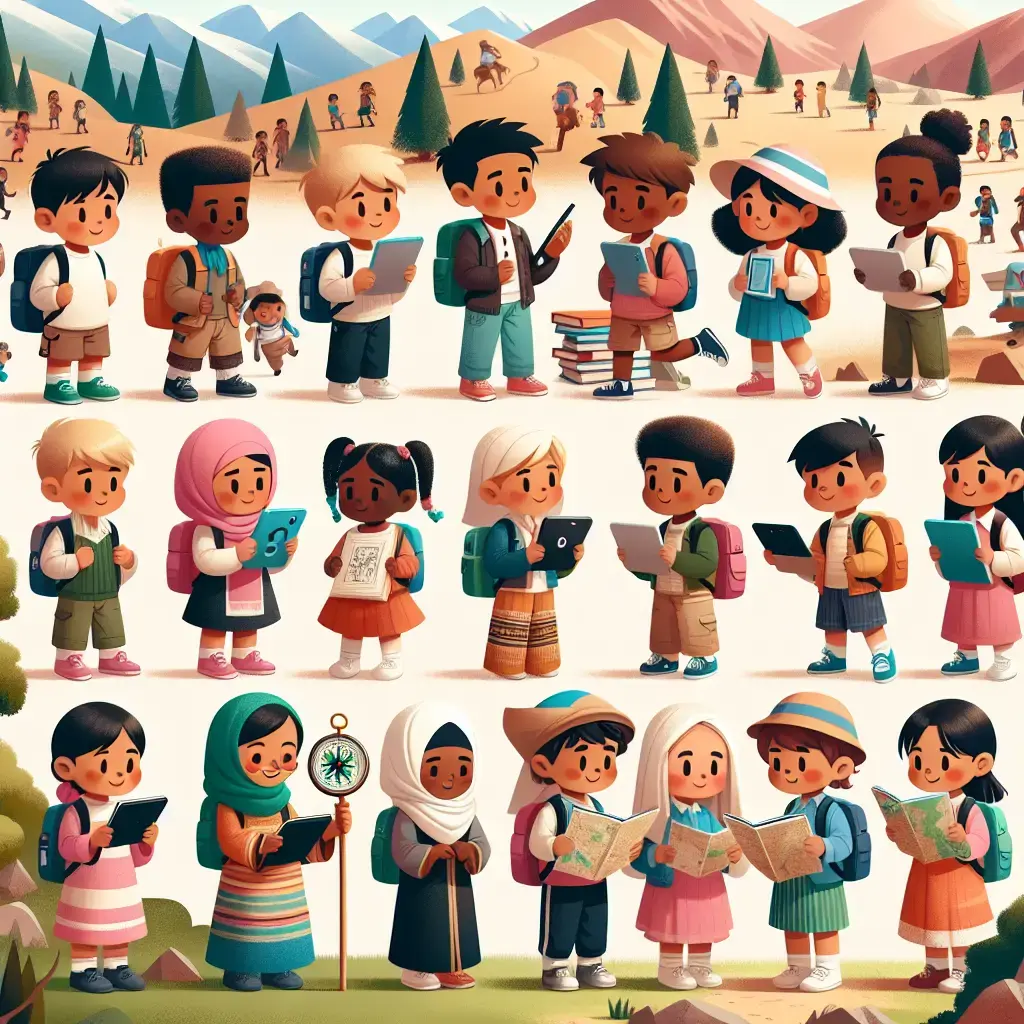
In a world that is constantly on the move, education too has evolved to embrace the fluidity of life, particularly for those who wander with the winds—the nomads. Nomadic education is transforming traditional learning paradigms, crafting a unique tapestry of knowledge that travels alongside its students. This dynamic approach to learning on the move is not merely about imparting facts; it's about documenting nomadic life and integrating the richness of diverse cultures into the very fabric of education. Through storytelling in nomadic cultures, education for nomads becomes a living, breathing experience, weaving together the past and present while preserving nomadic traditions.
The nomadic lifestyle poses both challenges and opportunities for education in remote areas, prompting innovative mobile learning for nomads. As traditional nomadic cultures adapt to a digital world, global nomad learning systems rise, ensuring that education is as mobile as the learners themselves. Documenting culture through cross-cultural education enables these learners to share their heritage while embracing new knowledge, crafting a narrative of cultural documentation that resonates worldwide.
Traveling education systems and nomadic learning methods are bridging the gap between ancient practices and modern needs, offering a holistic view of life for nomads. As we delve into the educational challenges for nomads, we uncover not just obstacles but also inspiring stories of resilience and adaptability. Join us as we explore how digital nomadic education is redefining learning landscapes and ensuring that the life of nomads continues to thrive in harmony with education.
In the ever-evolving landscape of education, nomadic education has emerged as a transformative approach, challenging traditional learning paradigms and embracing the dynamic lifestyles of those who wander. This innovative educational model is built upon the principles of mobility, adaptability, and cultural preservation, providing a holistic learning experience that caters to the unique needs of nomads. As we explore the intricacies of nomadic education, it becomes evident that this approach not only addresses educational challenges in remote areas but also enriches global cultural narratives through cross-cultural education and digital platforms.
Bridging the Connectivity Gap: One of the most significant challenges faced by nomadic education is connectivity. In remote areas, where traditional infrastructures are lacking, ensuring access to educational resources becomes a daunting task. Recent initiatives, such as those spearheaded by the UK Space Agency, aim to address this issue by exploring satellite communications to improve connectivity. With up to £3.5 million in government funding dedicated to testing innovative hybrid connectivity solutions, these projects are a testament to the commitment to making education accessible for all, regardless of geographical constraints (Gov.uk).
Nomadic Education: Learning on the Move
This enhanced connectivity is pivotal for mobile learning for nomads, as it allows for the integration of digital nomadic education systems that facilitate learning on the move. By leveraging satellite technology, educational content can be delivered directly to learners in even the most isolated locations, bridging the digital divide and supporting world nomad education.
Preserving Nomadic Traditions through Education: Nomadic education is not solely about providing academic knowledge; it is deeply intertwined with cultural documentation and the preservation of traditional nomadic cultures. Through storytelling in nomadic cultures, education becomes a living narrative that weaves together past traditions with contemporary knowledge. The Bajau Laut, an indigenous sea nomadic group in Southeast Asia, exemplify how environmental challenges such as climate change and overfishing are forcing traditional nomads onto land, thereby altering their way of life (CNN). For these communities, education plays a crucial role in documenting culture and adapting to new environments while maintaining their rich heritage.
Nomadic learning methods, therefore, focus on integrating cultural elements into the curriculum, offering a unique blend of historical insights and modern competencies. This approach not only helps in preserving nomadic traditions but also enriches the global cultural tapestry by sharing diverse narratives with a wider audience.
Innovative Educational Models: The rise of global nomad learning systems has led to the development of innovative educational models that cater specifically to the needs of nomadic communities. Traveling education systems utilize mobile classrooms and digital platforms to deliver content that is both relevant and accessible. These systems are designed to be flexible and adaptable, accommodating the fluid nature of nomadic lifestyles.
Educational Challenges and Opportunities
For instance, initiatives that combine lean leadership principles with educational strategies are transforming how operations are managed in educational settings (LeanBlog). By fostering a culture of continuous improvement and adaptability, these models ensure that nomadic learners receive a comprehensive education that equips them with the skills needed for both traditional and modern contexts.
Despite the progress made in developing educational frameworks for nomads, several challenges persist. The transient nature of nomadic life poses logistical hurdles in terms of consistent educational delivery and assessment. Furthermore, integrating cross-cultural education into mainstream curricula requires careful consideration to avoid cultural dilution and ensure authenticity.
However, these challenges also present opportunities for innovation and collaboration. By embracing mobile learning technologies and fostering partnerships with local communities and international organizations, educators can create bespoke learning experiences that resonate with nomadic learners. The focus on documenting nomadic life and culture not only enriches educational content but also provides valuable insights into sustainable living practices and resilience.
In conclusion, nomadic education represents a paradigm shift in how we perceive and deliver learning in remote areas. By embracing technology, preserving cultural narratives, and fostering adaptability, we can ensure that education for nomads is not only accessible but also enriching and transformative. As we continue to explore this dynamic field, it is crucial to remain committed to innovation and inclusivity, ensuring that the life of nomads thrives in harmony with education.
Stay curious, stay connected, and keep exploring the world of possibilities in education.


Leave a Comment