

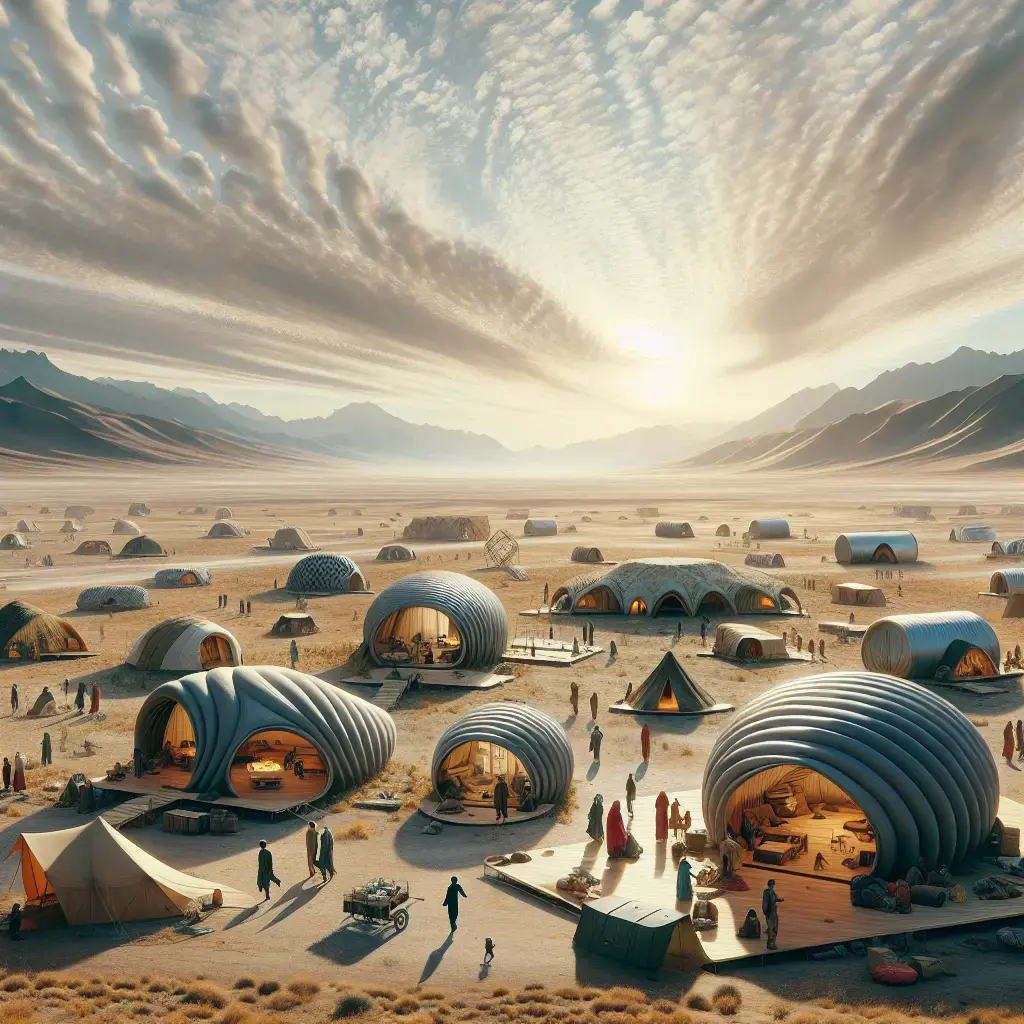
The allure of nomadic architecture lies in its profound ability to tell stories of adaptability, resilience, and sustainability. At its core, shelter design for the life of nomads encapsulates a rich tapestry of cultural heritage and innovative spirit. From the time-honored traditional nomadic shelters to the sleek lines of modern nomadic homes, these structures echo the footsteps of generations past while embracing the demands of the present. Documenting nomadic life offers a window into a world where mobile architecture is not just a necessity but an art form, showcasing adaptive housing for nomads that harmonizes with nature.
The nomadic lifestyle, characterized by movement and transformation, demands temporary housing solutions that are both functional and eco-friendly. Such sustainable shelter design reflects the intimate knowledge these communities hold of their environment, creating eco-friendly nomadic shelters that respect and preserve their surroundings. This seamless blend of utility and aesthetics is evident in historical nomadic structures and continues to inspire today's portable home design trends.
As we delve deeper into this subject, we will explore how innovative shelter solutions and nomad-inspired architecture are documenting nomadic traditions and influencing contemporary thought. The cultural heritage of nomads is more than just a historical footnote; it is a living testament to human ingenuity and adaptability. This exploration not only provides insights into the architectural marvels crafted by nomadic tribes but also invites us to reflect on our own ways of living. Join us as we journey through the fascinating world of nomadic tribes architecture, examining how these designs offer vital lessons for sustainable living today.
The Evolution of Nomadic Architecture in Modern Times
Nomadic architecture, a testament to human ingenuity and adaptability, continues to capture the imagination of architects, designers, and cultural enthusiasts. The life of nomads, characterized by constant movement, demands shelter design that balances utility with an eco-friendly approach. In recent years, there has been a surge of interest in the ways nomadic tribes have perfected the art of mobile architecture, leading to innovative developments in both traditional and modern nomadic homes.
Traditional Nomadic Shelters: A Heritage of Adaptability
Traditional nomadic shelters, such as the Mongolian ger (yurt), the Bedouin tent, and the Sami lavvu, are perfect examples of sustainable shelter design. These structures are designed to be easily assembled and disassembled, reflecting the nomadic lifestyle's demand for temporary housing solutions. The Mongolian ger, for instance, is constructed using a wooden frame covered with felt made from sheep's wool. This not only provides excellent insulation against harsh weather conditions but also uses locally sourced materials that minimize environmental impact (source: National Geographic).
Mongolian Ger: Known for its circular shape that distributes heat evenly.
Bedouin Tent: Crafted from goat hair, allowing it to expand in wet conditions and provide shade in hot weather.
Sami Lavvu: A tipi-like structure that is lightweight and easy to transport.
Each of these traditional structures embodies the cultural heritage of nomads, showcasing centuries-old wisdom in sustainable living.
Documenting Nomadic Life through Architecture
Recently, the architectural world has started to document nomadic life more extensively, recognizing these communities' contributions to sustainable living practices. This documentation is crucial not only for preserving cultural heritage but also for inspiring modern designs. Nomad-inspired architecture has begun influencing contemporary thought, leading to adaptive housing for nomads that cater to both functionality and aesthetics.
Consider the recent initiative by the World Architecture Festival that celebrated innovative shelter solutions drawing inspiration from nomadic tribes. The festival highlighted projects like portable home designs that prioritize minimal ecological footprints while offering modern amenities.
Modern Nomadic Homes: Innovation Meets Tradition
The push towards sustainable living has seen a revival of interest in modern nomadic homes. These structures draw from traditional techniques while incorporating cutting-edge technology. For instance, portable solar panels and rainwater harvesting systems are now common features in eco-friendly nomadic shelters. A notable example is the Ecocapsule, a self-sustainable micro-home that can be moved easily and supports off-grid living.
Portable Solar Panels: Provide renewable energy even in remote locations.
Rainwater Harvesting: Ensures water supply without depleting local resources.
The Role of Technology in Mobile Architecture
Incorporating technology into mobile architecture has transformed temporary housing solutions. 3D printing technology, for example, allows for rapid construction of structures using biodegradable materials. Companies like ICON have pioneered 3D-printed homes that are not only cost-effective but also environmentally friendly.
Would you consider living in a 3D-printed home that you can relocate with ease? This kind of innovation exemplifies how documenting nomadic traditions can lead to practical applications in today’s world.
Cultural Heritage and Future Prospects
The cultural heritage of nomads is rich with lessons on resilience and harmony with nature. As cities become more crowded and the impact of climate change becomes more pronounced, the principles underlying nomadic tribes architecture offer valuable insights into sustainable urban planning.
Recent research published by Harvard Design Magazine suggests that integrating aspects of mobile architecture into urban settings could lead to more adaptable and resilient city infrastructures. Imagine city spaces that can be reconfigured according to seasonal needs or environmental challenges, much like traditional nomadic shelters adapt to their surroundings.
In summary, the study and application of nomadic architecture offer a window into sustainable living practices that are more relevant today than ever before. Through a blend of tradition and modern innovation, nomads continue to inspire designs that respect our planet while accommodating our growing needs.
Nomadic Architecture: Bridging Past and Future
Nomadic architecture serves as a profound example of how traditional wisdom and modern innovation can converge to create sustainable living solutions. By exploring the adaptable structures of nomadic tribes and integrating them with contemporary technologies, we gain valuable insights into eco-friendly design that can inspire both current and future generations.
Here are the key takeaways:
- Traditional Wisdom: Structures like the Mongolian ger, Bedouin tent, and Sami lavvu highlight centuries of sustainable and adaptable design, using locally sourced materials and simple construction techniques.
- Modern Innovation: The fusion of technology, such as portable solar panels and 3D printing, with traditional methods offers new pathways for environmentally conscious living.
- Cultural Significance: Documenting nomadic life preserves rich cultural heritage and provides inspiration for sustainable urban planning.
- Future Prospects: Adopting principles of nomadic architecture could lead to more flexible and resilient urban infrastructures, responding to climate change challenges.
The exploration of nomadic architecture is more than an academic exercise; it's a call to action. As we confront environmental challenges, let’s draw inspiration from these age-old practices to redefine our relationship with the spaces we inhabit. I invite you to share your thoughts and experiences with sustainable living practices in the comments below. How might you incorporate elements of nomadic architecture into your own life?
Thank you for joining this journey into the world of nomadic architecture. May we continue to learn from the past as we build a more sustainable future.


Leave a Comment