

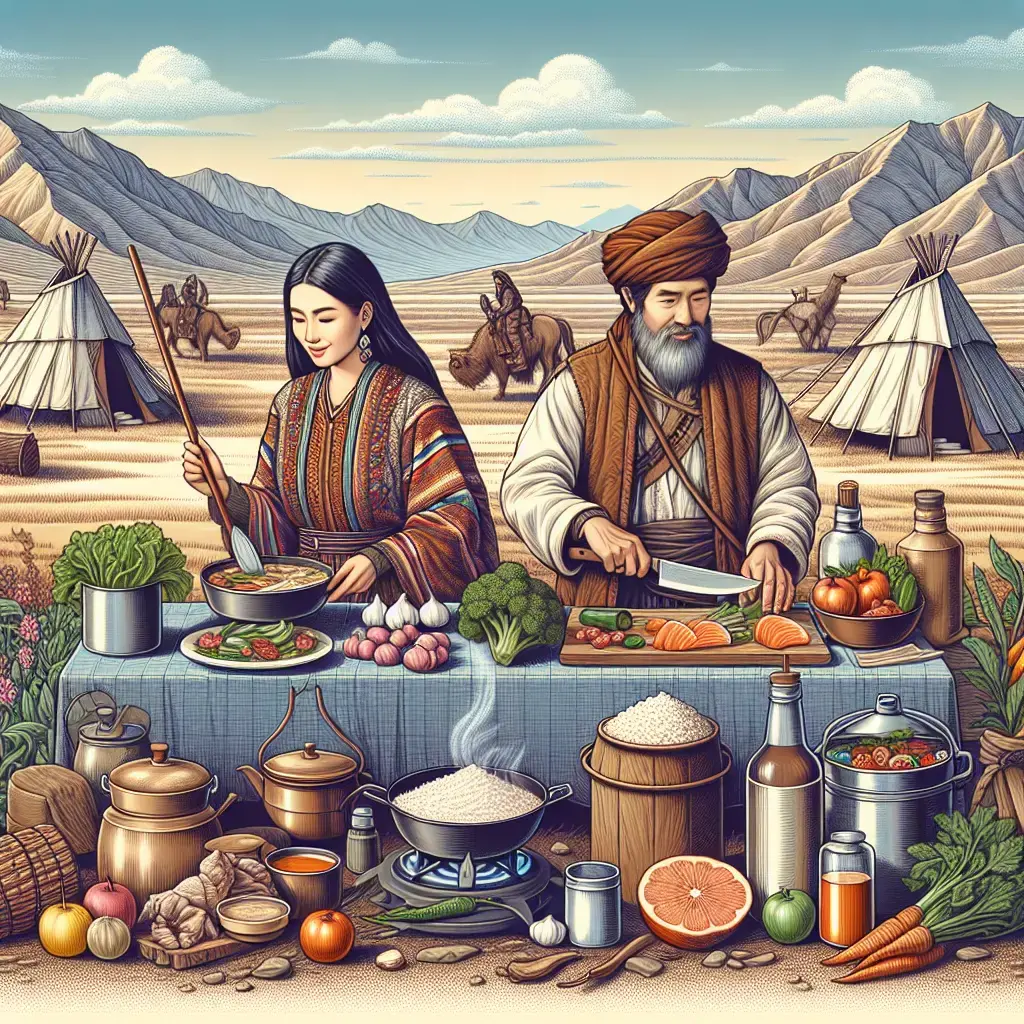
Embark on a culinary journey that transcends borders and epochs as we delve into the fascinating world of nomadic cuisine. The food traditions of nomads offer a rich tapestry of history, culture, and innovation, rooted in the necessity of mobility. For centuries, nomadic groups have traversed vast landscapes, adapting their diets and culinary practices to the ever-changing environments they call home. Documenting nomadic life through their food reveals a profound connection to the land and an unwavering resilience in the face of uncertainty.
The traditional nomadic recipes passed down through generations are more than mere sustenance; they are a testament to the ingenuity and adaptability of nomadic peoples. By exploring food on the move, we uncover mobile cooking techniques that demonstrate an incredible ability to create nourishing meals with limited resources. This exploration not only enhances our understanding of nomad food culture but also serves as an educational resource on nomads, offering insights into their traditional cooking methods and the cultural heritage of nomads.
Preserving nomadic food heritage is crucial in an era where globalization threatens to homogenize diverse culinary practices. Through the lens of culinary anthropology, we gain a deeper appreciation for the anthropology of nomadic cuisine and its role in shaping human history. By learning about nomadic traditions, we honor their legacy and ensure that their vibrant food stories endure.
Join us as we document the nomadic lifestyle and its unique flavors in this educational blog on nomads. Here, we'll explore the understanding of nomadic diets and uncover the intricate tapestry of their traditional cooking methods, inviting readers to savor the rich history of nomadic food.
Nomadic Cuisine: Exploring Food Traditions on the Move
Understanding Nomadic Diets
Nomadic groups, including the Bedouins of the Middle East, Mongolian herders, and the Saami of Scandinavia, have historically relied on their immediate environment to dictate their diet. These communities demonstrate an intimate understanding of their ecosystems, utilizing available resources to sustain themselves. For example, Mongolian herders have long depended on dairy products from yaks and goats, complemented by hardy root vegetables and meats, forming a diet rich in proteins and fats necessary for survival in harsh climates.
Mobile Cooking Techniques
The concept of mobile cooking is central to nomadic cuisine. Techniques such as the use of portable cooking equipment like cauldrons or flat stones for baking allow for meals to be prepared efficiently while on the move. The Bedouins, for instance, are known for their use of sand to bake bread, a method that requires minimal equipment and takes advantage of the natural environment. Such innovations are not just practical but also deeply tied to the cultural heritage of nomads.
Traditional Cooking Methods of Nomads
Preserving Nomadic Food Heritage
Traditional nomadic recipes are steeped in history and have been passed down through generations. They are tailored to maximize nutrition and flavor while minimizing waste. The use of fermentation is prevalent in many nomadic cultures due to its ability to preserve food without refrigeration. Fermented dairy products like kumis in Central Asia or kefir among Eastern European nomads illustrate how these methods not only preserve food but also enhance its nutritional profile.
In today's rapidly globalizing world, preserving nomadic food heritage is more critical than ever. As modernity encroaches on traditional ways of life, these culinary practices face the threat of extinction. Efforts to document and celebrate nomadic cuisine through projects like the "Nomadic Food Documentary" aim to safeguard these traditions for future generations. By recording and sharing these food stories, we ensure that the cultural heritage of nomads continues to enrich our global culinary landscape.
Culinary anthropology provides a framework for exploring the complex relationship between nomadic cultures and their cuisines. This field examines how food practices shape social structures, belief systems, and identities within nomadic communities. By studying these aspects, we gain insights into the broader anthropology of nomadic cuisine and its impact on human history.
One recent study highlighted by National Geographic examined the diets of modern Mongolian herders, revealing how traditional practices are being adapted in response to climate change and shifting economic pressures. This research underscores the dynamic nature of nomadic food culture and its ongoing evolution.
Case Studies: Documenting Nomadic Life Through Food
1. The Saami Reindeer Herders: In Scandinavia, the Saami people have a rich culinary tradition centered around reindeer herding. Their diet includes reindeer meat, fish from icy lakes, and foraged berries. Recent articles in The New York Times discuss how these practices are being adapted in response to environmental changes, such as shifting migration patterns due to climate change.
2. The Tuareg Nomads of the Sahara: Known for their intricate tea ceremonies and millet-based dishes, the Tuareg adapt their food practices to the sparse resources available in the Sahara Desert. A report from BBC News detailed how traditional Tuareg recipes are being preserved through digital documentation efforts spearheaded by local cultural organizations.
Educational Resources on Nomads
For those interested in exploring this topic further, educational resources are available that delve into various aspects of nomadic life and cuisine. Online platforms offer courses and materials that provide comprehensive overviews of traditional cooking methods of nomads, ensuring that knowledge about these rich cultures is accessible to a global audience.
Interactive Engagement with Nomadic Food Culture
How can we integrate these age-old practices into our modern culinary habits? By embracing elements of nomadic cooking techniques—such as prioritizing seasonal ingredients or experimenting with fermentation—we can enrich our own food experiences while honoring these traditions. Engaging with this question not only invites personal exploration but also fosters a deeper appreciation for the culinary journey of nomads.
By documenting and celebrating the food traditions of nomads, we not only preserve their legacy but also enhance our understanding of human resilience and innovation. The stories embedded in nomadic cuisine offer us a glimpse into a way of life that has sustained humanity through centuries of change and adaptation.
Nomadic cuisine offers a rich tapestry of cultural heritage, resilience, and innovation, highlighting the adaptability of mobile communities throughout history. Key aspects of this fascinating culinary tradition include:
- Environmental Adaptation: Nomadic diets, from the Bedouins to the Mongolian herders, are deeply connected to their environments, utilizing local resources such as dairy, meats, and hardy vegetables to sustain themselves. - Innovative Cooking Techniques: The use of portable cooking methods and fermentation has been crucial for preserving food and maximizing nutrition while on the move. - Cultural Preservation: In a rapidly globalizing world, documenting and celebrating nomadic food traditions is essential to safeguard these practices for future generations. - Culinary Anthropology: Exploring nomadic cuisines through culinary anthropology helps us understand their impact on social structures, belief systems, and identities. - Case Studies: Insights from the Saami reindeer herders and Tuareg nomads illustrate how these communities adapt to environmental changes while preserving their culinary heritage.
As we reflect on these resilient traditions, we are encouraged to integrate elements of nomadic cooking into our own lives, enriching our culinary experiences and honoring these rich histories. Whether by experimenting with fermentation or prioritizing seasonal ingredients, we can learn from the resourcefulness of nomadic cultures. Share your thoughts or experiences with nomadic cuisine in the comments below—let’s keep this conversation going!
Thank you for joining this culinary journey through time. May it inspire you to explore and appreciate the diverse ways humanity has adapted and thrived. Until next time, may your own culinary adventures be as vibrant and resourceful as those of the nomads who have shaped our global food landscape.



Leave a Comment