

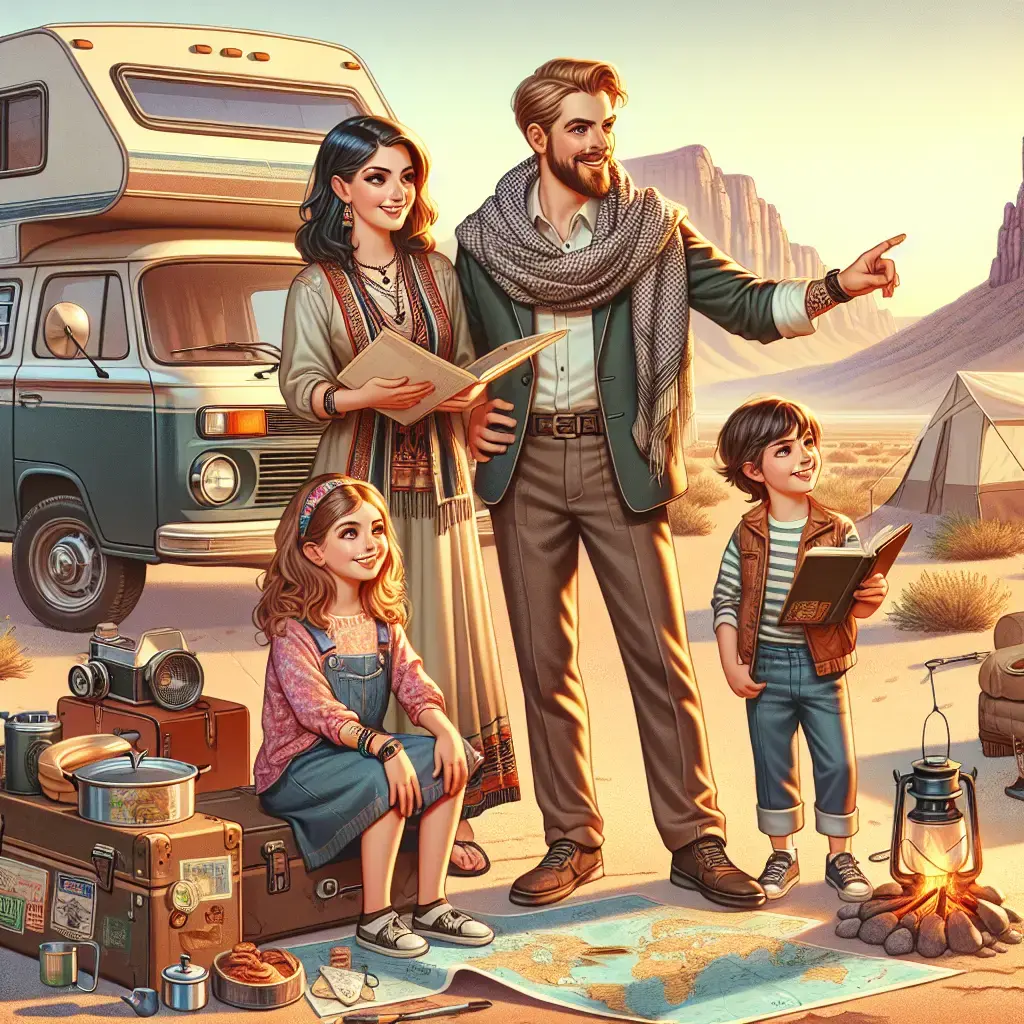
Embarking on a journey of nomadic parenting offers a unique tapestry of experiences, where raising children on the road becomes an exhilarating adventure. For those embracing the nomadic lifestyle with kids, the open road is not just a path but a classroom rich with lessons and cultural education for kids. This lifestyle allows digital nomad families to weave tales of worldschooling experiences, all while documenting nomadic life through a travel family blog.
In this era of fluid living, family nomad adventures are becoming increasingly appealing to those seeking a life less ordinary. Homeschooling on the road offers flexibility, while nomadic education resources enrich the journey with diverse learning opportunities. The life of nomads with children is one of exploration and sustainable travel with kids, making it a compelling choice for many families.
Parenting while traveling demands adaptability, as families craft unique nomadic family routines and embrace minimalist parenting on the road. As they navigate new landscapes, families find themselves engaged in cultural exchanges that enhance child development on the road. Documenting these experiences through family travel documentation provides invaluable road schooling tips for others yearning to explore this lifestyle.
As you delve into the world of living as a nomadic family, discover how this lifestyle fosters resilience and adaptability in both parents and children. The upcoming sections will explore the intricate dynamics of this modern approach to family life, offering insights and practical guidance for those considering or already living this adventurous journey.
Nomadic parenting is a dynamic approach that redefines the conventional paradigms of raising children, transforming the open road into a living classroom. As families embrace the nomadic lifestyle with kids, they discover that every destination offers a wealth of opportunities for cultural education and personal growth. This section delves into the intricacies of raising children on the road, drawing insights from recent trends and serialized articles that highlight the evolving landscape of nomadic family life.
The Essence of Nomadic Parenting
Raising children on the road is an immersive experience that extends beyond traditional educational models. The concept of worldschooling experiences is gaining traction, as families leverage travel to provide a well-rounded education. Recent articles illustrate how families are using their journeys to teach geography, history, and social studies, transforming every excursion into an engaging lesson.
One striking example is the Jenkins family, who have been documenting nomadic life through their popular travel family blog. Over the past year, they have traveled across Europe, integrating visits to historical sites with interactive lessons on European history. Their blog not only provides insights into their travels but also offers valuable road schooling tips for other digital nomad families.
Homeschooling on the road offers unparalleled flexibility, allowing families to tailor educational experiences to their children's interests and needs. Nomadic parents often utilize a blend of online curricula and hands-on learning to create a rich educational tapestry. This approach is supported by a growing array of nomadic education resources, including online platforms and community networks that facilitate learning from anywhere in the world.
For instance, the Smith family uses a combination of digital tools and local experiences to enhance their children's education. By visiting local markets and participating in cultural events, they provide their kids with practical lessons in language, math, and social studies. This method fosters a deeper understanding and appreciation of diverse cultures, enriching child development on the road.
The Role of Family Travel Documentation
Documenting these experiences is crucial for sharing insights and supporting the nomadic community. Families are increasingly turning to family travel documentation to capture their adventures and learning experiences. This documentation serves as both an educational tool and a source of inspiration for other families considering this lifestyle.
The rise of platforms like Instagram and YouTube has made it easier for families to share their journeys with a global audience. A prime example is the Williams family, who have built a substantial following by sharing their travels through Southeast Asia. Their content not only highlights the joys and challenges of living as a nomadic family but also provides practical advice for sustainable travel with kids.
Minimalist parenting on the road is an essential aspect of the nomadic lifestyle. With limited space and resources, families must prioritize essentials and adopt creative solutions to manage their daily routines. This minimalist approach encourages children to value experiences over possessions, fostering resilience and adaptability.
Recent articles highlight how minimalist parenting can simplify decision-making and reduce stress while traveling. Families like the Garcia’s emphasize the importance of creating nomadic family routines that balance exploration with rest, ensuring everyone remains energized and engaged.
Sustainable Travel with Kids: A Growing Priority
Sustainability is at the forefront of modern travel discussions, especially for families committed to responsible tourism. Practicing sustainable travel with kids involves making conscious choices about transportation, accommodations, and activities that minimize environmental impact.
For instance, the Thompson family has integrated sustainability into their travels by opting for eco-friendly accommodations and participating in community service projects. Their efforts not only benefit local communities but also instill important values in their children, aligning with broader societal shifts towards more sustainable living.
A significant advantage of nomadic parenting is the opportunity for immersive cultural exchanges that enhance child development on the road. Engaging with diverse communities broadens children's perspectives, teaching them empathy and adaptability.
The recent surge in interest around cultural education for kids underscores its importance in today’s interconnected world. Families like the Johnsons have shared how volunteering abroad has enriched their children's lives by exposing them to different customs and lifestyles.
Access to quality educational resources is critical for nomadic families aiming to provide a comprehensive learning experience. The expansion of digital platforms has democratized access to education, making it easier than ever to find suitable materials for children of all ages.
Leveraging Nomadic Education Resources
Websites like Outschool and Khan Academy offer interactive courses that cater to diverse learning styles and interests. By integrating these resources into their travel itinerary, families can ensure that education remains a priority, regardless of location.
While the nomadic lifestyle offers many benefits, it also presents unique challenges that require thoughtful navigation. Balancing work, travel, and education demands resilience and flexibility from both parents and children.
Serialized articles often spotlight families who have overcome obstacles such as visa issues, language barriers, and connectivity problems. These stories serve as a testament to the enduring spirit of parenting while traveling, providing reassurance that challenges can be surmounted with creativity and perseverance.
In conclusion, embracing a nomadic lifestyle with kids transforms traditional parenting by incorporating global experiences into everyday life. As more families choose this path, they contribute to a growing body of knowledge that enriches the nomadic community worldwide. Whether through documenting nomadic life or sharing personal anecdotes, these families exemplify how a life less ordinary can be deeply rewarding and transformative.
In conclusion, nomadic parenting offers a revolutionary approach to raising children, turning the world into an expansive classroom that fosters holistic growth. Here are some key takeaways:
- Worldschooling and Homeschooling: These dynamic educational models transform travel into interactive lessons, enhancing children's understanding of subjects like history and geography through real-world experiences. - Resource Flexibility: Utilizing digital tools and community networks, nomadic families can access a diverse array of educational materials, ensuring learning is both adaptable and enriching. - Family Travel Documentation: Sharing journeys through blogs and social media platforms like Instagram and YouTube provides valuable insights and inspiration, helping build a supportive community for families on the road. - Minimalist and Sustainable Practices: Prioritizing experiences over possessions and embracing eco-friendly choices cultivates resilience, adaptability, and environmental consciousness in children. - Cultural Exchanges: Immersive interactions with diverse communities nurture empathy and broaden perspectives, essential skills in today's interconnected world. While challenges such as visa issues and language barriers exist, the resilience and creativity required to overcome them ultimately strengthen family bonds. As more families embark on this unique lifestyle, they contribute to a growing body of knowledge that enriches the nomadic community. We encourage you to reflect on how these principles might inspire your own parenting journey. Share your thoughts or experiences in the comments below—your stories can help others navigate this rewarding path. Embrace the adventure, and remember that the open road holds endless opportunities for discovery and connection. Safe travels and enriching experiences await you!

Leave a Comment