

In a world increasingly dominated by sedentary lifestyles and urban landscapes, the nomadic lifestyle offers a refreshing perspective on sustainable living and cultural heritage. The art of nomads, encapsulated through traditional crafts and indigenous crafts, serves as a vibrant testament to the enduring spirit of human creativity across continents.
By documenting nomadic life, we unearth an intricate tapestry of craft traditions and mobile craftsmanship that has evolved over centuries, reflecting the unique health benefits of nomadic living. These global nomadic traditions are not just about creating beautiful objects; they are woven deeply with wellness in nomadic cultures, where traditional healing crafts and health rituals of nomads play a pivotal role in daily life.
The cross-cultural art of artisan nomads showcases a rich diversity, highlighting the profound interconnectedness between craft traditions and nomad health practices. Traditional medicine practices, often overlooked, reveal invaluable insights into sustainable living and preserving nomadic culture in modern times.
As we delve into these topics, we uncover the essence of nomadic art—a dynamic fusion of aesthetic beauty and practical utility that mirrors the resilience and adaptability inherent in nomadic societies.
This exploration not only celebrates cultural heritage but also invites us to reflect on the relevance of such traditions in our contemporary quest for wellness.
Nomadic Art and Craft Traditions Across Continents
In the ever-evolving landscape of global culture, nomadic art stands as a testament to the adaptability and resilience of nomadic societies. This dynamic form of expression not only embodies the spirit of those who lead mobile lives but also serves as a bridge between past and present, illustrating the profound interconnectedness between craft traditions and the health benefits of nomadic living.
The Rich Tapestry of Nomadic Art
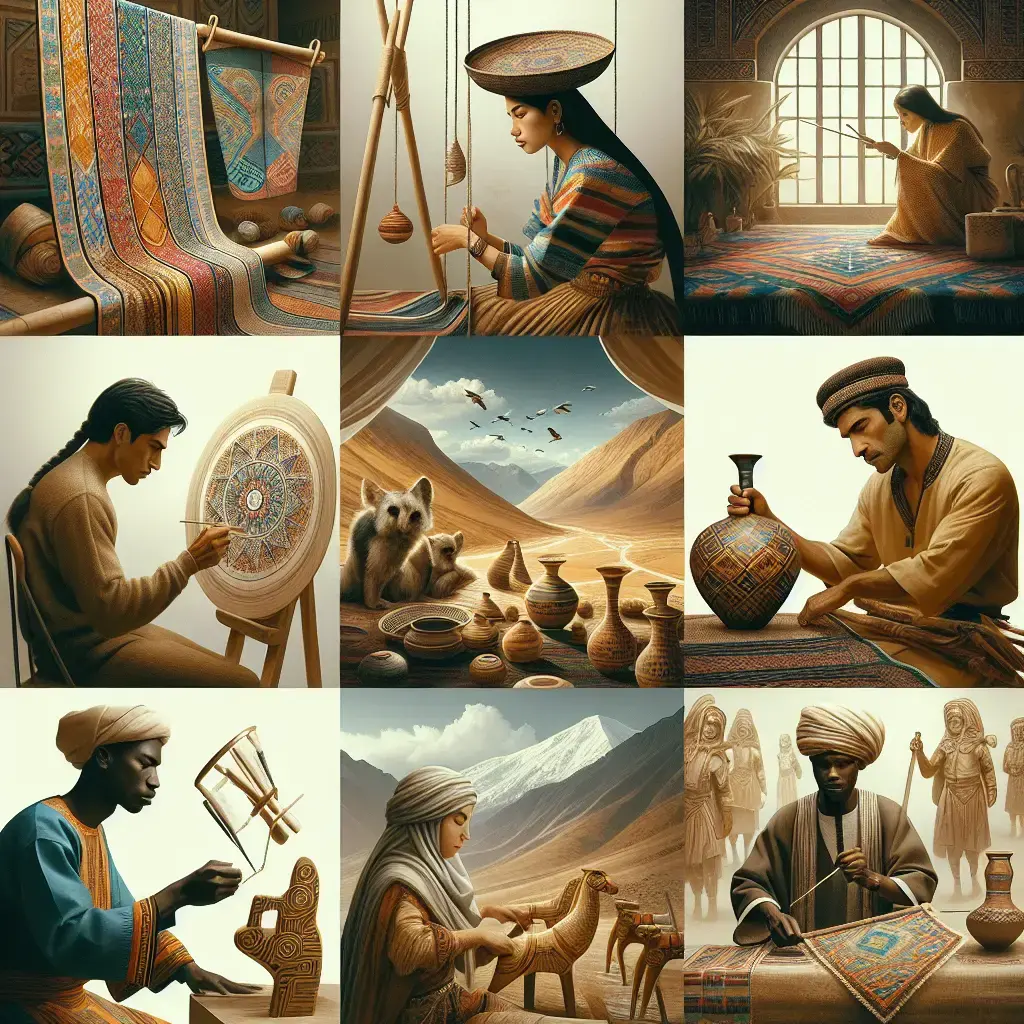
Nomadic art is a vibrant tapestry woven with threads of cultural heritage, reflecting diverse influences from various continents. It represents more than just aesthetic beauty; it is a practical embodiment of sustainable living. The art of nomads encompasses a wide array of traditional crafts, each serving as a symbol of their unique cultural narratives. These crafts include intricate weaving, pottery, leatherwork, and metalwork, each telling stories passed down through generations.
For instance, the Berber tribes of North Africa are renowned for their exquisite rugs and carpets, which not only serve decorative purposes but also play a crucial role in their daily lives. These traditional crafts are crafted using techniques that have remained largely unchanged for centuries, emphasizing sustainability and resourcefulness—key elements of the nomadic lifestyle.
Health Benefits and Traditional Healing Crafts
The health benefits of nomadic living are deeply intertwined with their art and craft traditions. Nomadic societies often engage in traditional medicine practices that utilize indigenous crafts. These practices include the use of natural herbs, handmade poultices, and other remedies derived from the environment, which are integral to maintaining wellness in nomadic cultures.
For example, Mongolian nomads employ traditional healing crafts using local herbs such as sea buckthorn for its anti-inflammatory properties. These practices are not merely health rituals; they are vital components of preserving nomadic culture in modern times. Recent studies have highlighted how such traditional medicine practices contribute to the overall well-being of these communities, offering valuable insights into sustainable living (National Geographic).
Mobile Craftsmanship: A Cross-Cultural Phenomenon
Mobile craftsmanship is a hallmark of global nomadic traditions. This cross-cultural art form transcends borders, showcasing the interconnectedness of artisan nomads worldwide. The ability to adapt and innovate while maintaining cultural identity is a characteristic feature of these communities.
In Central Asia, the felt-making tradition among Kyrgyzstan's nomads stands out as a significant example. Felt yurt coverings and garments are crafted using age-old techniques that are environmentally friendly and sustainable. These crafts are not only utilitarian but also serve as expressions of cultural identity, highlighting the importance of preserving these traditions for future generations.
Similarly, the indigenous crafts of Native American tribes in North America exemplify the rich diversity of nomadic art. Basket weaving, beadwork, and pottery are among the crafts that hold both cultural significance and practical utility. These crafts are often used in traditional ceremonies and daily life, emphasizing their role in sustaining cultural heritage (Smithsonian Institution).
Case Study: The Maasai Beadwork
One cannot discuss nomadic art without mentioning the iconic beadwork of the Maasai people in East Africa. This craft tradition is not just about creating beautiful objects; it is deeply embedded in social rituals and identity. Each bead color and pattern holds specific meanings related to life events and social status.
Recent research has shown how Maasai beadwork plays a role in health rituals, as certain patterns are believed to protect wearers from harm. This intersection of art and health underscores the holistic understanding of well-being within nomadic cultures (BBC Culture).
Preserving Nomadic Culture through Documentation
Documenting nomadic life is essential for preserving these rich cultural heritages. Efforts to record and share these traditions have gained momentum in recent years, aided by technological advancements. Projects like the World Nomad Games have brought international attention to the cultural practices and sports of nomadic peoples, encouraging interest in their traditional crafts (World Nomad Games).
Moreover, initiatives such as digital storytelling platforms allow younger generations to engage with their heritage in innovative ways. By documenting these traditions, we ensure that the essence of nomadic art continues to inspire new generations, fostering a deeper appreciation for the resilience and creativity inherent in these communities.
Engaging with Nomadic Traditions Today
As we explore the world of nomadic art and craft traditions across continents, one might ask: How can we integrate these ancient practices into our contemporary quest for wellness? The answer lies in embracing the principles of sustainable living championed by nomadic societies. By learning from their resourcefulness and adaptability, we can gain valuable insights into creating a more balanced and harmonious relationship with our environment.
In conclusion, the art of nomads offers a unique perspective on health, sustainability, and cultural preservation. By delving into these craft traditions, we not only celebrate cultural heritage but also uncover lessons that resonate with our modern lives—a dynamic fusion that continues to thrive and inspire across continents.
In conclusion, nomadic art and craft traditions offer a profound lens through which we can view the interconnectedness of culture, health, and sustainability. Here are some key takeaways:
- Cultural Heritage and Sustainability: Nomadic art is more than aesthetic; it embodies sustainable practices and reflects a rich tapestry of cultural narratives. Crafts like Berber rugs and Kyrgyz felt-making underscore the importance of resourcefulness inherent in nomadic lifestyles.
- Health and Traditional Practices: The health benefits associated with nomadic living are often linked to traditional healing crafts. Indigenous practices, such as the use of sea buckthorn by Mongolian nomads, illustrate how these communities integrate wellness into their cultural fabric.
- Cross-Cultural Craftsmanship: Mobile craftsmanship highlights the global interconnectedness of nomadic traditions. From Native American beadwork to Maasai bead patterns, these crafts serve as vital expressions of cultural identity and practical utility.
- Preservation and Innovation: Documenting and sharing nomadic traditions through initiatives like the World Nomad Games ensures these cultures remain vibrant. Digital storytelling platforms further bridge the gap between past and present, allowing new generations to engage creatively with their heritage.
As we reflect on these insights, we are invited to incorporate the wisdom of nomadic societies into our contemporary lives, embracing sustainability and adaptability. How might you integrate these principles into your daily routine? Share your thoughts or experiences in the comments below. Until next time, let the spirit of nomadic resilience inspire your journey toward a more harmonious existence.


Leave a Comment