

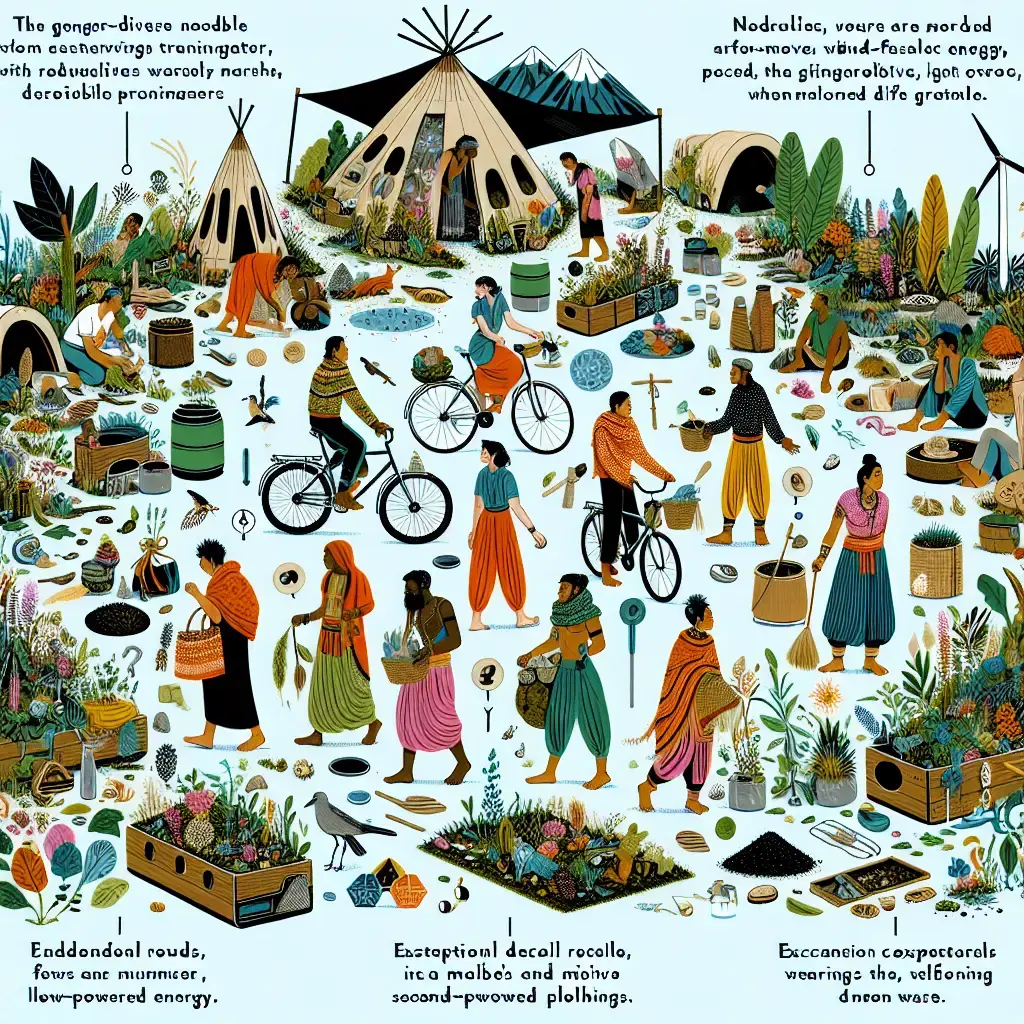
In an era where the pursuit of freedom and sustainability intertwine, modern nomads are pioneering a lifestyle that blends mobility with eco-friendly practices. These intrepid individuals are redefining what it means to live sustainably by embracing minimalism, off-grid living, and the benefits of renewable energy. As digital nomads traverse the globe, they champion a zero waste lifestyle, striving to leave a smaller carbon footprint in their wake. Their homes are often tiny, mobile spaces that epitomize the concept of sustainable travel, utilizing green technology and promoting environmental consciousness.
In a world dominated by consumerism, modern nomads stand out with their commitment to minimalism. Living in tiny homes or vans, they prioritize experiences over possessions, which significantly reduces their environmental impact. These mobile spaces are not only compact but also highly efficient, often equipped with solar panels and rainwater harvesting systems. This approach aligns with the tiny house movement, emphasizing simplicity and sustainable living.
A recent study by the American Tiny House Association reveals that tiny house owners use approximately 45% less energy than conventional homeowners. This energy efficiency is largely attributed to their small size and the use of green technology. By opting for mobile living, nomads can explore diverse landscapes while maintaining a low carbon footprint.
Off-grid living is at the heart of sustainable practices among modern nomads. By disconnecting from traditional utilities, they become self-sufficient, relying on renewable energy sources like solar and wind power. The National Renewable Energy Laboratory (NREL) highlights that solar panels have become more affordable and efficient in recent years, making off-grid living more accessible.
Nomads often utilize portable solar panels that can be easily set up wherever they park. These systems not only power their essential appliances but also allow them to live sustainably without sacrificing comfort. Additionally, many modern nomads harvest rainwater and use composting toilets, further reducing their reliance on external resources.
Zero Waste Lifestyle and Conscious Consumerism
Embracing a zero waste lifestyle is another hallmark of modern nomads. By reducing, reusing, and recycling, they minimize their waste production and promote conscious consumerism. This lifestyle choice encourages individuals to be mindful of their purchases, opting for sustainable products that have minimal environmental impact.
According to the Zero Waste International Alliance, the zero waste lifestyle is not just about reducing waste but also about restructuring production and consumption patterns to conserve resources. Modern nomads exemplify this by choosing eco-friendly products, supporting local artisans, and avoiding single-use plastics.
As digital nomads traverse the globe, they champion ethical travel practices that respect both local cultures and environments. This involves choosing destinations that prioritize sustainability and engaging in activities that support conservation efforts. The Global Sustainable Tourism Council (GSTC) provides guidelines for travelers seeking to reduce their environmental impact while exploring new places.
Modern nomads often participate in community-based tourism initiatives that empower local populations and protect natural resources. By fostering environmental consciousness through ethical travel, they challenge conventional tourism norms and highlight the potential for harmony between human exploration and ecological stewardship.
Sustainable Communities and Shared Values
One of the most compelling aspects of the nomadic lifestyle is the formation of sustainable communities built on shared values. These communities thrive on mutual respect for the planet and a collective commitment to eco-conscious living. Nomads often gather at events like the Vanlife Diaries Gathering to exchange ideas, share resources, and inspire one another.
Sustainable communities offer a supportive environment for individuals seeking to live in harmony with nature. By pooling resources and knowledge, they create resilient networks that champion sustainable practices. These communities serve as living examples of how collaborative efforts can lead to broader societal change.
Innovation in green technology is pivotal to the success of modern nomads' sustainable living practices. From portable solar panels to energy-efficient appliances, technology plays a crucial role in enabling a fulfilling life on the move. The International Energy Agency (IEA) reports that advancements in renewable energy technologies have significantly increased their adoption among individuals seeking alternative lifestyles.
Nomads often employ smart devices that monitor energy consumption and optimize resource use. For example, energy-efficient LED lighting and low-power electronics help reduce electricity demands, while smart water systems manage consumption effectively. By leveraging green technology, modern nomads demonstrate how innovative solutions can support sustainable travel.
The journey of modern nomads is not just about personal exploration but also about inspiring societal change. By choosing to live sustainably, they exemplify how lifestyle choices can influence broader environmental consciousness. Their commitment to minimalism, self-sufficiency, and eco-friendly practices serves as a model for others seeking to reduce their carbon footprint.
As we continue to face global environmental challenges, the lessons learned from modern nomads offer valuable insights into how we can all contribute to a healthier planet. Whether through adopting renewable energy solutions or embracing conscious consumerism, each of us has a role to play in nurturing a sustainable future.
In a world increasingly aware of environmental challenges, modern nomads offer a compelling blueprint for sustainable living. By integrating minimalism, off-grid self-sufficiency, and ethical travel, they demonstrate the power of conscious lifestyle choices in reducing ecological footprints and fostering a deeper connection with the planet.
Key Takeaways
Minimalism and Mobility: Choosing experiences over possessions, modern nomads minimize their environmental impact by living in tiny homes or vans equipped with renewable energy systems like solar panels and rainwater harvesting.
Off-Grid Living: Self-sufficiency is achieved through reliance on renewable energy sources, enabling a life untethered from traditional utilities without sacrificing comfort.
Zero Waste Lifestyle: By embracing conscious consumerism and waste reduction, nomads promote a shift in production and consumption patterns that conserve resources.
Ethical Travel: Modern nomads advocate for travel practices that respect local cultures and environments, participating in community-based initiatives that support conservation.
Sustainable Communities: These individuals form networks of shared values, fostering mutual respect for the planet and championing eco-conscious living through collaboration.
Green Technology: Technological advancements play a crucial role, with portable solar panels and energy-efficient appliances enabling sustainable life on the move.
Modern nomads not only chart their own paths but also inspire societal change. Their commitment to sustainable practices highlights how individual choices can collectively influence broader environmental consciousness. As we face global environmental challenges, let their journey be a reminder that each of us has the potential to contribute to a healthier planet.
Reflect on your own lifestyle choices—how can you incorporate elements of minimalism, self-sufficiency, or conscious consumerism? Share your thoughts and experiences in the comments below. Together, let's explore ways to live more sustainably and encourage each other on this path toward a greener future.
Live simply, tread lightly.



Leave a Comment